Planning a Concrete Project for Spring? Here’s When to Start
Whether you’re planning improvements to your property or coordinating an upcoming construction project, spring concrete work starts well before the first pour. Early planning helps establish scope, site needs, scheduling, and the work required to keep your project moving.
How Far in Advance Should You Plan Spring Concrete Work?
If concrete is part of a spring project, fall and winter are good times to begin requesting estimates and discussing the scope of work.
There is no universal deadline. Scheduling depends on the size and complexity of the project, site conditions, weather, and the other work that needs to happen before or after the concrete phase.
For a homeowner, early planning may mean determining the size of a new patio, evaluating an existing driveway, or understanding what excavation and preparation will be required.
For a general contractor or builder, it may mean getting a concrete subcontractor involved early enough to review plans, understand site conditions, coordinate sequencing, and establish expectations before the project reaches the concrete phase.
In either case, waiting until concrete is immediately needed can leave less room to address unexpected site conditions or scheduling requirements.
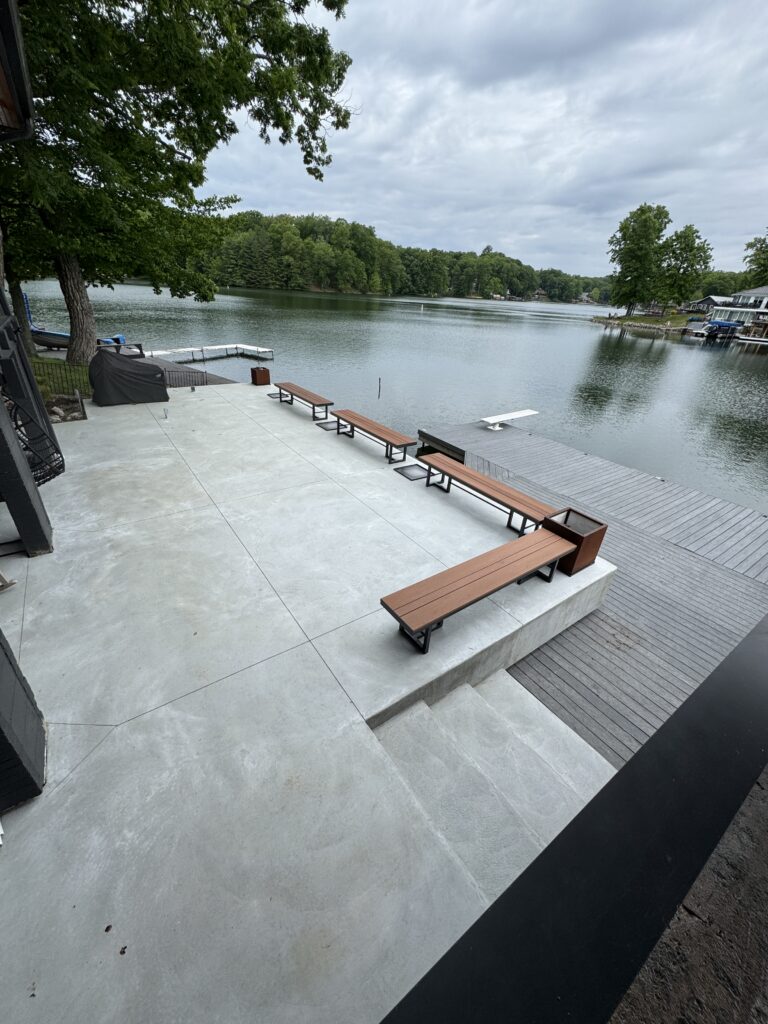
Concrete Planning Starts With More Than a Pour Date
It is easy to think of concrete work primarily in terms of the day the trucks arrive, but successful concrete work begins much earlier.
Depending on the project, preparation may involve:
- Demolition and removal of existing material
- Excavation and grading
- Establishing elevations
- Drainage considerations
- Base preparation and compaction
- Forming and reinforcement
- Equipment and truck access
- Coordination with structures, utilities, landscaping, or other trades
Understanding those requirements early helps establish a more realistic scope and construction timeline.
This becomes especially important when concrete is one piece of a larger project. If grading, utilities, foundations, framing, landscaping, or other trades are involved, sequencing matters.
Anhalt provides both concrete and site preparation and restoration services, giving our team the ability to look at what needs to happen before, during, and after the concrete portion of a project.
What Should You Have Ready When Requesting a Concrete Estimate?
You do not need every detail finalized before contacting a concrete contractor, but providing the information you already have can make the estimating process more productive.
For residential projects, that may include approximate dimensions, photos, the condition of existing concrete, known drainage concerns, and a general idea of how you want to use the finished space.
For construction projects, available plans, dimensions, anticipated schedules, site information, specifications, access requirements, and the expected scope of the concrete package can help establish a starting point.
One of the benefits of starting early is identifying what information is still needed.
A conversation in December or January leaves time to answer those questions. Discovering them when the project is ready for concrete can be considerably more disruptive.
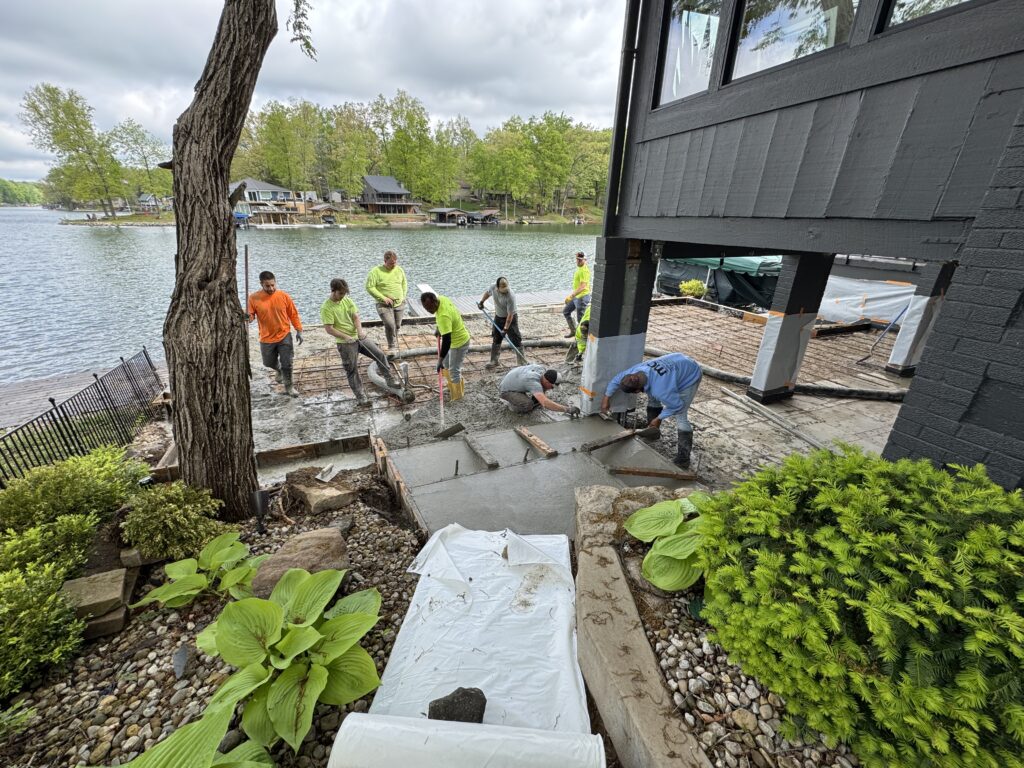
From Site Prep to Final Grade: Planning the Entire Concrete Project
A concrete project often involves considerably more than forming and pouring.
Before concrete work can begin, the site may require demolition, excavation, grading, base preparation, or other work to create the right conditions for the project. Once the concrete work is complete, the surrounding site may also need to be brought back to final grade.
Anhalt Concrete and Site Restoration can handle the project from excavation and site preparation through concrete installation and final grading.
For homeowners, that can mean fewer contractors to find, schedule, and coordinate for a driveway, patio, slab, or other concrete project.
For general contractors and builders, it can reduce the number of subcontractors needed for that portion of the project and create clearer coordination between site preparation and concrete work.
It also means the crew preparing the site understands what the concrete work will require. Elevations, access, drainage, base preparation, and surrounding grades can be considered as connected parts of the project rather than separate scopes handled independently.
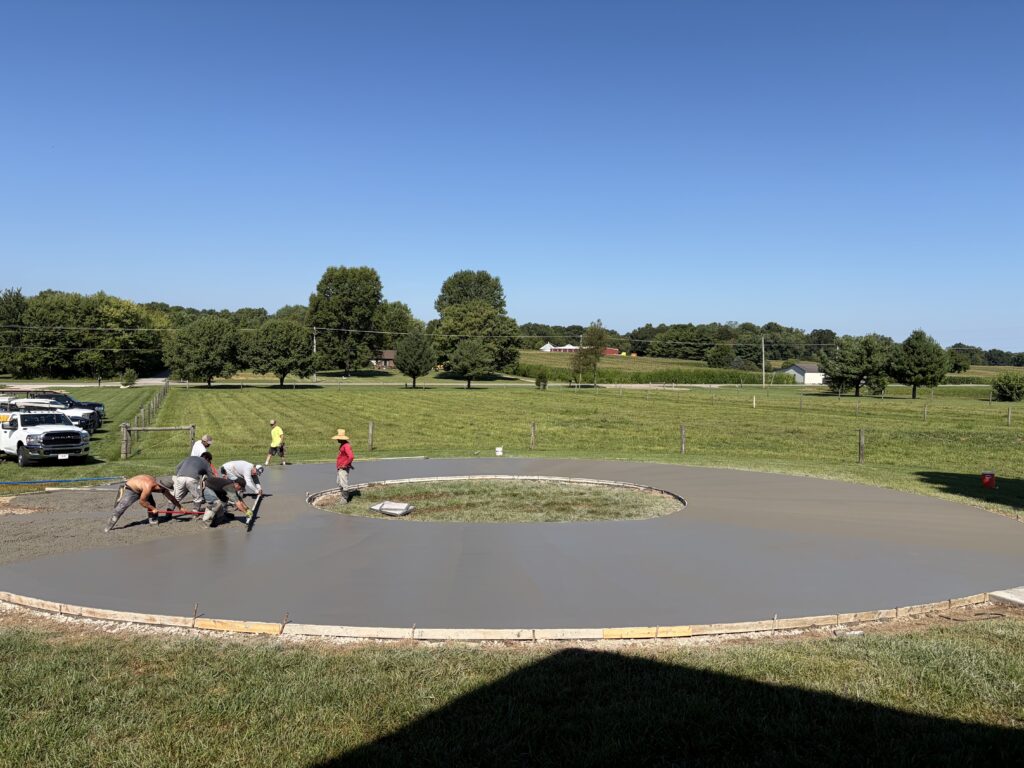
Planning Residential Concrete Projects for Spring
For homeowners, fall and winter provide time to think beyond simply deciding that you want “a new patio” or “a new driveway.”
Driveways
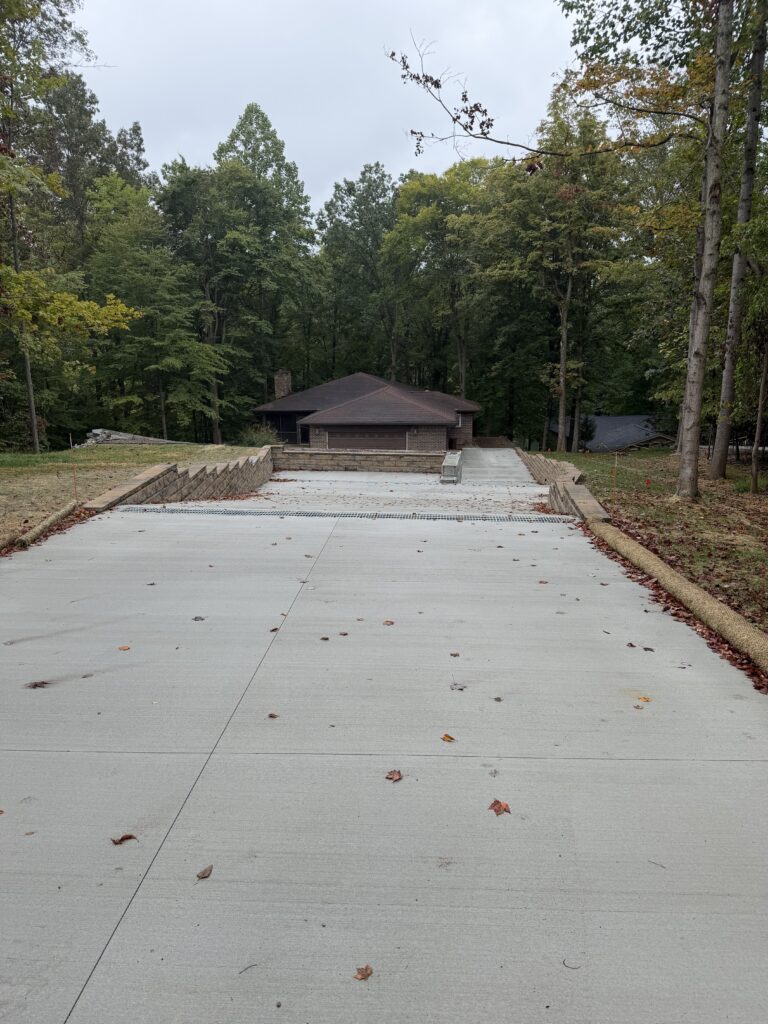
If your driveway is cracked, settling, deteriorating, or no longer works well for your property, planning ahead gives you time to determine whether you want a straightforward replacement or changes to the existing layout.
The project may also involve demolition, excavation, grading, drainage considerations, base preparation, or connections to existing sidewalks and structures.
Patios and Outdoor Living Areas
A patio should be planned around how the space will actually be used.
Consider furniture, grills, fire pits, entertaining areas, walkways, landscaping, steps, and connections to your home before settling on dimensions.
Those decisions are much easier to make during the planning stage than after forms are already being installed.
Sidewalks, Walkways and Other Flatwork
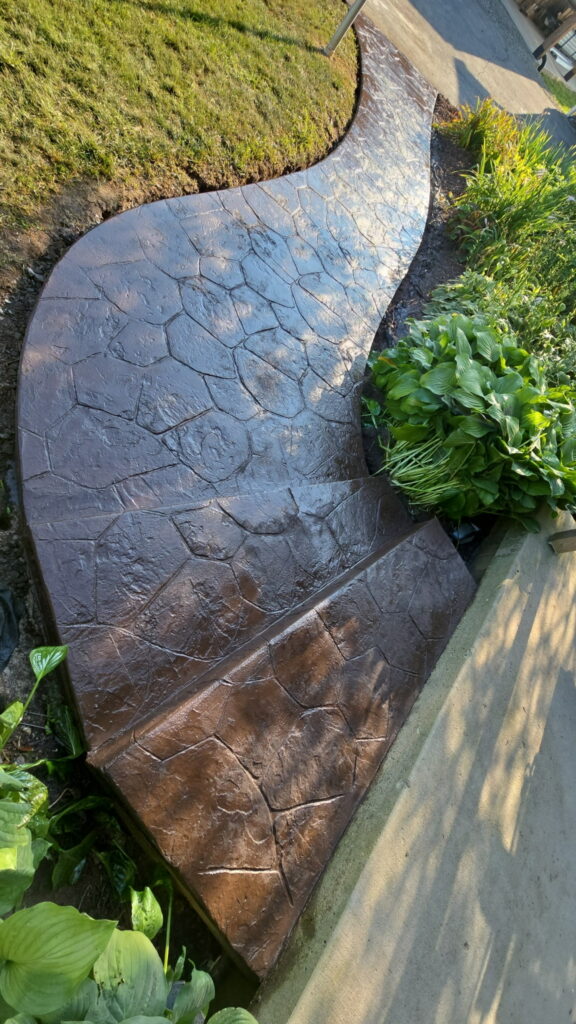
Walkways and entry areas may look straightforward, but slope, drainage, accessibility, transitions, and connections to existing concrete all need to be considered.
Starting early gives you time to evaluate the entire area instead of treating each piece of concrete separately.
Planning Concrete for a Larger Construction Project
For general contractors and builders, concrete is often one phase within a much larger schedule.
Getting your concrete contractor involved during preconstruction or early project planning can help identify requirements that could affect later phases of the job.
Depending on the scope, that may include:
- Foundations and slabs
- Commercial flatwork
- Sidewalks and approaches
- Exterior concrete
- Site preparation
- Excavation and grading
- Demolition
- Concrete removal and replacement
- Coordination with other trades
Early communication also gives the concrete contractor an opportunity to review the anticipated scope, ask questions, understand site access, and prepare for their portion of the schedule.
For projects beginning in spring, those conversations can happen during the winter rather than waiting until the job is already underway.
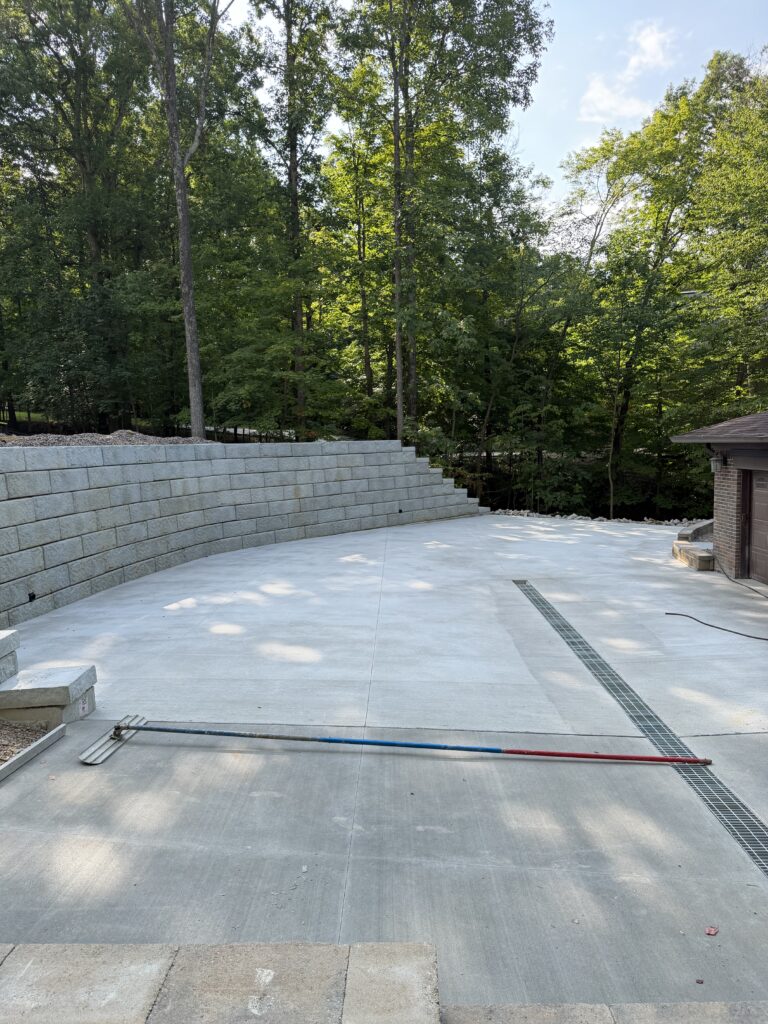
Why Construction Sequencing Matters
On a larger project, concrete rarely happens in isolation.
Excavation may need to happen first. Utilities may need to be installed. Certain concrete work may need to be completed before another trade can begin, while other flatwork may intentionally happen later in the project to avoid damage from construction traffic.
That makes communication between the general contractor, concrete contractor, and other trades important.
Discussing sequencing early helps everyone understand when the site needs to be ready, what access needs to remain available, and what work must be completed before the concrete crew arrives.
For homeowners managing several contractors on an outdoor renovation or addition, the same principle applies. Make sure everyone understands the order in which the work needs to happen.
Should You Get Concrete Pricing During the Winter?
Yes. If you anticipate needing concrete work in the spring, you can begin the estimating process during the fall or winter.
Pricing will depend on the individual project, including quantities, site preparation, access, demolition, finishes, reinforcement, equipment requirements, and other scope considerations.
For homeowners, an early estimate can help with budgeting and deciding which improvements make sense for the coming year.
For general contractors, early pricing can support estimating, project planning, subcontractor coordination, and budgeting before construction begins.
The more complete the project information is, the better a concrete contractor can understand the anticipated scope.
When Does Concrete Season Start in Indiana?
There is no specific date when concrete season officially begins in Indiana.
Concrete placement depends on actual weather and site conditions rather than simply the month on the calendar.
Temperature matters, but so do ground conditions, moisture, precipitation, overnight temperatures, the type of concrete work being completed, and the conditions expected while the concrete gains strength.
A few warm days in March do not necessarily mean every Central Indiana site is ready for concrete.
Planning ahead allows estimates, site evaluations, scheduling conversations, and preconstruction coordination to happen while everyone waits for appropriate conditions.
What Can Delay Spring Concrete Work?
Weather is one factor, but project delays can begin long before the concrete pour.
Saturated or unstable ground, unexpected demolition, drainage problems, incomplete site work, difficult access, plan changes, utility conflicts, or preceding trades running behind schedule can all affect when concrete work can begin.
For a standalone residential project, some of these issues can be addressed during the estimating and site-planning process.
On larger construction projects, maintaining communication as the schedule develops helps the concrete contractor prepare for changes and coordinate their portion of the work.
Early planning cannot eliminate every construction delay, but it can prevent avoidable surprises.
Frequently Asked Questions About Spring Concrete Projects in Indiana
How far in advance should I schedule concrete work for spring?
If you know concrete work will be part of an upcoming spring project, it is worth starting the conversation during the fall or winter. Lead times vary based on project size, scope, weather, site conditions, and contractor availability. Planning ahead provides more time for estimating, site evaluation, scheduling, and coordination before construction begins.
Is Anhalt Concrete a certified woman-owned concrete contractor?
Yes. Anhalt Concrete and Site Restoration is a certified woman-owned business serving Indiana. Anhalt works with general contractors, builders, businesses, property owners, and homeowners on concrete, excavation, site preparation, and final grading.
For general contractors seeking qualified woman-owned subcontractors for upcoming projects, contact Anhalt Concrete to discuss project scope, scheduling, and subcontracting opportunities.
Can you get a concrete estimate during the winter in Indiana?
Yes. Concrete installation may depend on weather and ground conditions, but estimating and project planning can happen throughout the winter. This can be a good time to discuss an upcoming project, evaluate the scope of work, and prepare for construction when conditions allow.
What can delay a spring concrete project?
Weather is one of the biggest variables, but saturated or unstable ground, drainage concerns, demolition, excavation, site access, utility work, preceding trades, and changes in project scope can also affect the schedule. Addressing known site conditions early can help reduce avoidable delays once construction begins.
Can site preparation and concrete work be handled by the same contractor?
Depending on the contractor’s capabilities, yes. Anhalt Concrete and Site Restoration provides concrete along with excavation, site preparation, and restoration services. For projects requiring multiple phases of site work, having those capabilities under one contractor can reduce the amount of coordination required between separate crews.
Does Anhalt Concrete work with general contractors and builders?
Yes. Anhalt Concrete works with general contractors, builders, businesses, property owners, and homeowners throughout Central Indiana on residential and commercial concrete and site work. Our team can provide concrete as a standalone project or as one portion of a larger construction project.
What types of concrete projects can be planned during the winter?
Winter planning can begin for driveways, patios, sidewalks, slabs, foundations, commercial flatwork, and other residential or commercial concrete projects. Projects involving excavation, grading, demolition, or other site preparation can also be discussed before spring construction begins.
Does Anhalt Concrete serve areas outside Indianapolis?
Yes. Anhalt Concrete and Site Restoration serves residential and commercial projects throughout Central Indiana, including Franklin, Greenwood, Center Grove, Trafalgar, and surrounding communities.
Get Your Spring Concrete Project on the Radar
Whether you’re planning a new patio at home or putting together the schedule for a larger construction project, there is no reason to wait until spring to start talking about concrete.
Anhalt Concrete and Site Restoration works with homeowners, businesses, builders, and general contractors throughout Central Indiana, providing concrete, excavation, site preparation, and restoration services for projects of varying sizes and scopes.
Our Trafalgar-based team serves Trafalgar, Franklin, Greenwood, Center Grove, Indianapolis, and communities throughout Central Indiana.
If concrete or site work is part of your upcoming construction plans, contact Anhalt Concrete and Site Restoration to start the conversation.